


Sylvie Restaurant: Where Tasmanian Timber Meets Local Flavour
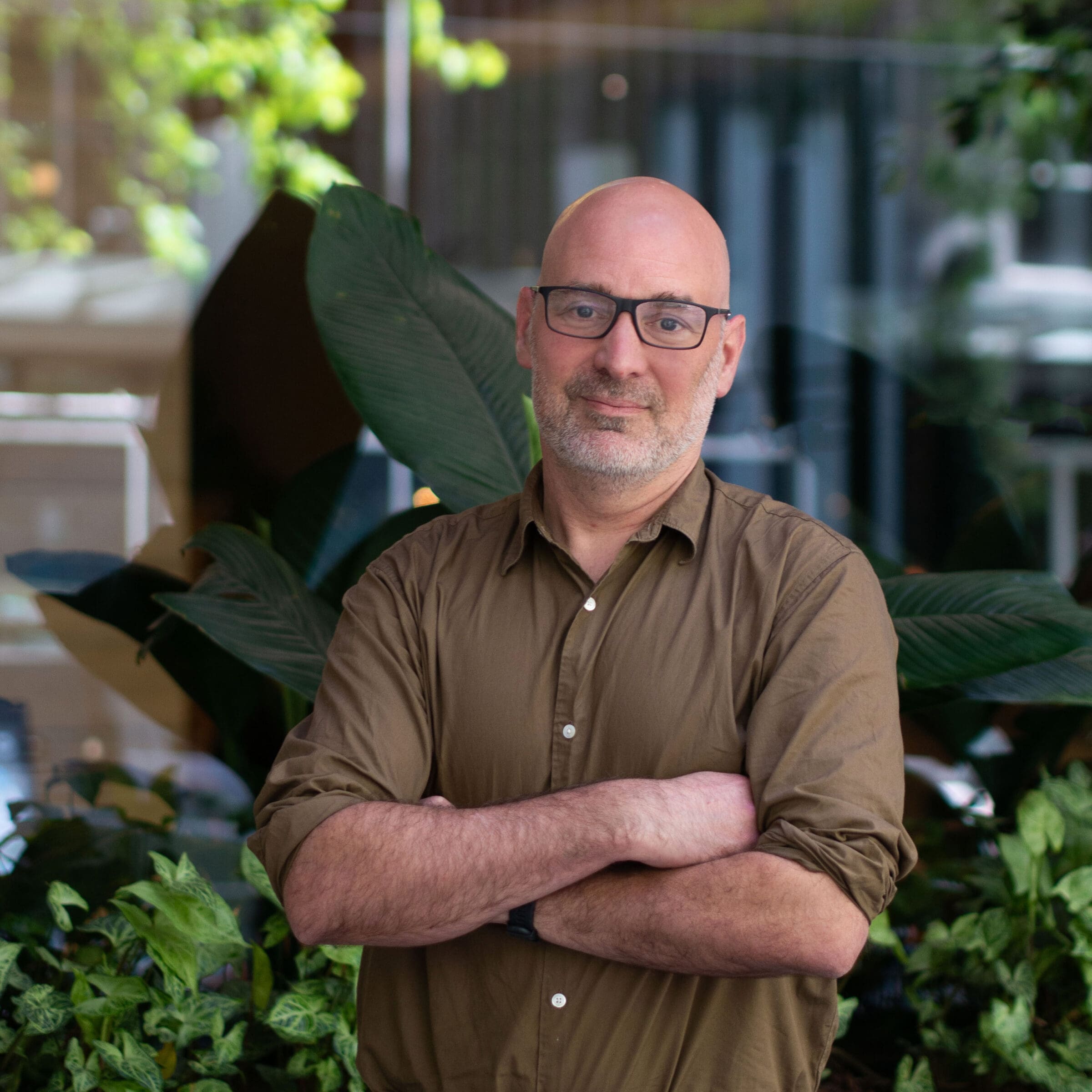
Walking into Sylvie, you’re immediately enveloped by the warm, aromatic scent of Huon pine, a fitting welcome to a restaurant where everything speaks of Tasmania. From the seafood on the plate to the timber beneath your elbows, chef and owner Martin Dreyer has created a space that’s a genuine reflection of the island’s natural bounty.
A Philosophy of Place
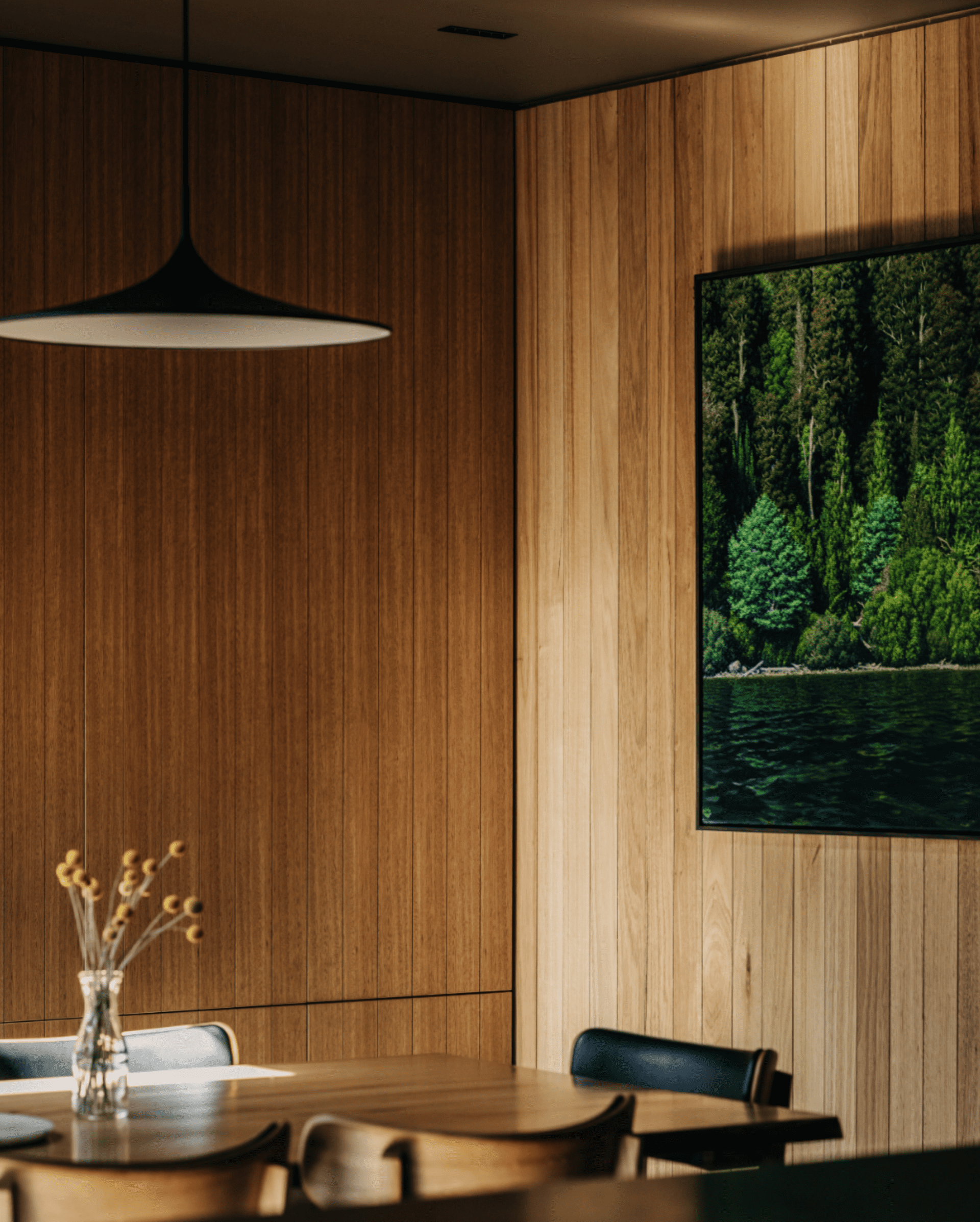
“The restaurant’s focus is local, Tasmanian seafood,” Martin explains. “So we wanted to reflect that within the restaurant as well.” This philosophy extends far beyond the menu. The spacious dining room features custom-made furniture crafted by Distinctive Furniture in Devonport from an impressive array of Tasmanian timbers, including Blackwood, Sassafras, Celery Top Pine, Huon Pine, Tasmanian Oak, and Myrtle.
The bar and tables showcase the natural beauty of these local timbers. The bar front is clad in mismatching timber with an intentionally uneven finish that echoes the organic, unpretentious nature of the food. Against the restaurant’s beautiful sandstone walls, the timber creates a warm, authentic atmosphere. A more private large table sits off to one side, perfect for intimate gatherings, while incredible smells waft from the kitchen, promising the flavours to come.


From Cape Town to Copenhagen to Hobart
Martin’s path to opening Sylvie was anything but straightforward. Born to parents from Southern Africa (his mother from Namibia, his father from South Africa), the family spent a decade in the United States, before moving to Tasmania when Martin was16 years old. His parents chose Hobart as “the closest thing to Cape Town, but without an insane crime rate.”
After starting a Bachelor of Arts and Economics at university, Martin realised it wasn’t his path. “I just started cooking,” he says simply. Armed with a German passport through his mother’s side, he spent years training in restaurants across Europe, a year in Germany, a year and a half in Scotland, almost two years in Denmark, and a year in Finland. He also worked at notable Tasmanian restaurants, including Fico, Mona, and Sapphire.
It was his time at Restaurant Jordaer in Copenhagen that proved most formative. “Working in Copenhagen was amazing, a very formative part of my philosophy and my approach towards food. It was very different. Very flavour forward and very produce forward.” The restaurant specialised in seafood, with the occasional wild duck when in season, which Martin considers “seafood adjacent.”
Minimal Intervention, Maximum Flavour
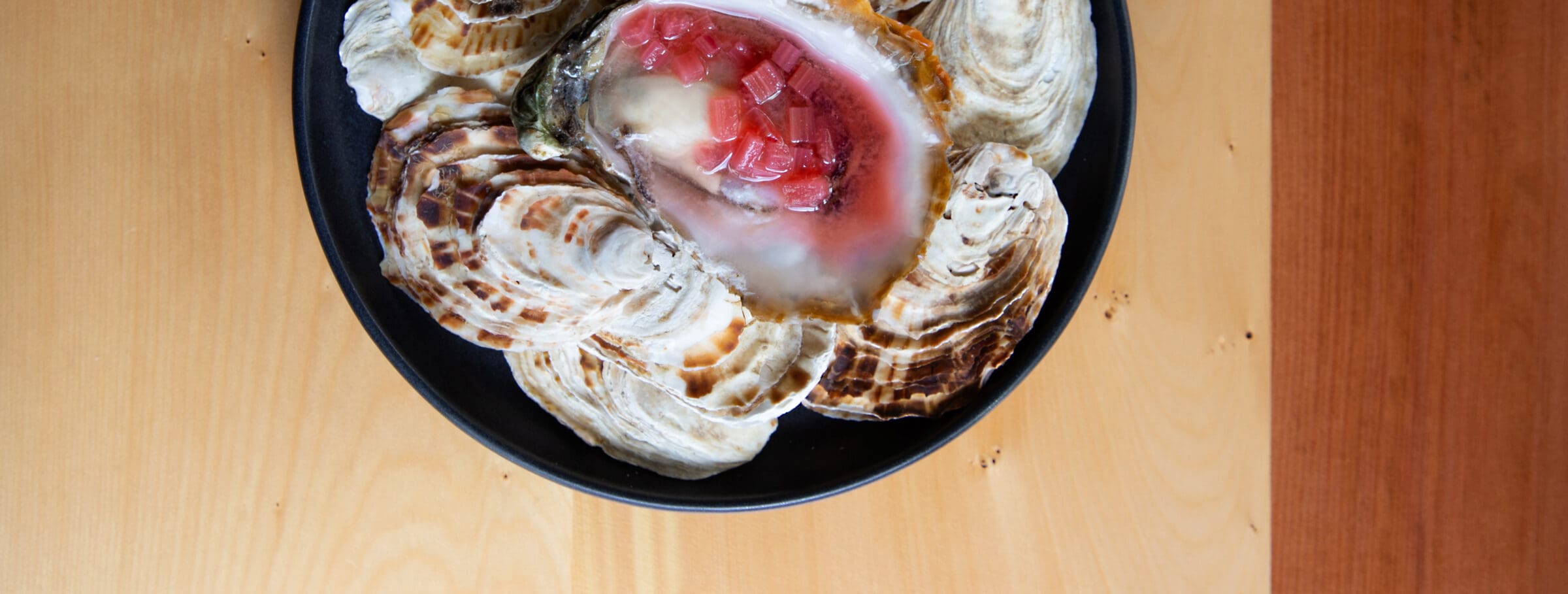
When Martin returned to Hobart, he recognised a gap. “There’s no restaurant in Hobart that exclusively does seafood. There are seafood restaurants, yes, but we’re the only restaurant that does only seafood. We really put a lot of effort into sourcing locally and sourcing ethically, with our seafood and vegetables.”
The approach is deceptively simple: let exceptional produce shine with minimal intervention. Most dishes feature just three ingredients, allowing the freshness and flavour to be the heroes.


“I really try to let the produce shine,” Martin explains. “It’s very simple food with very minimal intervention. We try and use things only when they’re in season, so we do a lot of fermenting and preserving to get us through the winter.”
The majority of Sylvie’s seafood comes from one local fisherman who arrives with a trailer full of the day’s catch. “It’s honestly some of the freshest fish I’ve seen, and I’ve been working as a chef for 13 years,” Martin says while dry-aging a five-kilogram stripy trumpeter caught just yesterday. Dishes like morwong and stargazer, the southern ocean’s equivalent to monkfish, appear on the menu as they become available.
This commitment to working with what’s fresh means the menu changes regularly. Recent offerings include an amaranth tempura using the leaves of the ancient grain, showcasing their beautiful purple-veined foliage, and a crayfish carpaccio with sour cream and sorrel juice that’s deceptively rich.


Sustainable Style
Just as the menu celebrates seasonal, sustainable produce, the restaurant’s interior reflects the same values. The custom cabinetry and furniture, all crafted from Tasmanian timber, represent a commitment to local materials and craftsmanship.
I think it was always important to try and create a representation of what Tasmania is within the restaurant in terms of both the food and the interior design,” Martin says. “This is how I see Tasmania.
The collaboration with Distinctive Furniture brought this vision to life. The result is a space that feels authentically Tasmanian, refined but approachable, elegant but unpretentious.

An Open Invitation
Despite the elevated cooking style, Martin is keen to stress that Sylvie is approachable. “For some reason, people think we’re a very fancy, expensive fine dining restaurant, but the food is very reasonably priced. It’s very approachable.” He’d rather seat fewer people and ensure everyone is comfortable than cram in extra covers. “I want my restaurant to be accessible and for people to feel like they don’t need to spend crazy amounts of money to have a good time. I want people to feel like they are welcome, even if they’re coming just for a drink.”
His advice to potential diners? “Come with an open mind. It’s a bit different.” But in a dining landscape increasingly disconnected from place, Sylvie’s commitment to locality, from beautiful Tasmanian furniture and the Huon pine that scents the air to the fish caught that morning, Sylvie feels refreshingly, authentically Tasmanian.
Photography: Alice Bennett