


The Science of Fire: How Tasmania’s Forest Managers Use Fire to protect and Regenerate Native Forests
Dean Sheehan has been around forestry and fire since he was a child. Growing up on a farm in Tasmania’s Tamar Valley, he watched his family clear forest on their farm to convert to pasture and plant hardwood plantations. His father worked at a wood chip mill for over 40 years. And there was an old neighbour in his seventies who selectively harvested for hydro poles with bullock trains, cracking the whip as they heaved logs out of the bush.
“You wouldn’t see that very much anymore,” Sheehan reflects on those early memories.
With farming and forestry comes fire, and as a boy, he witnessed a bushfire close to home that developed over a week, burning a few hundred hectares. The fascination stuck.
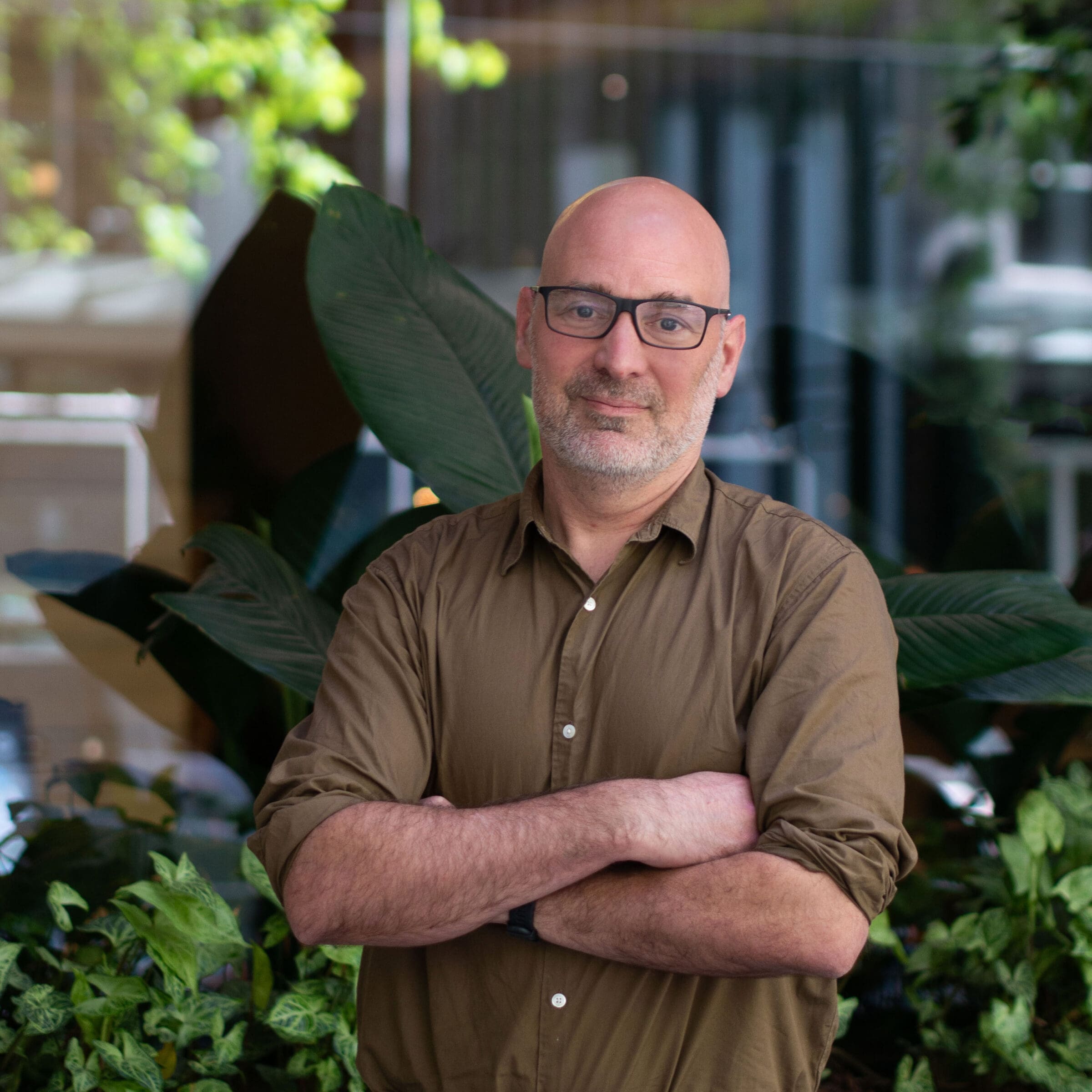
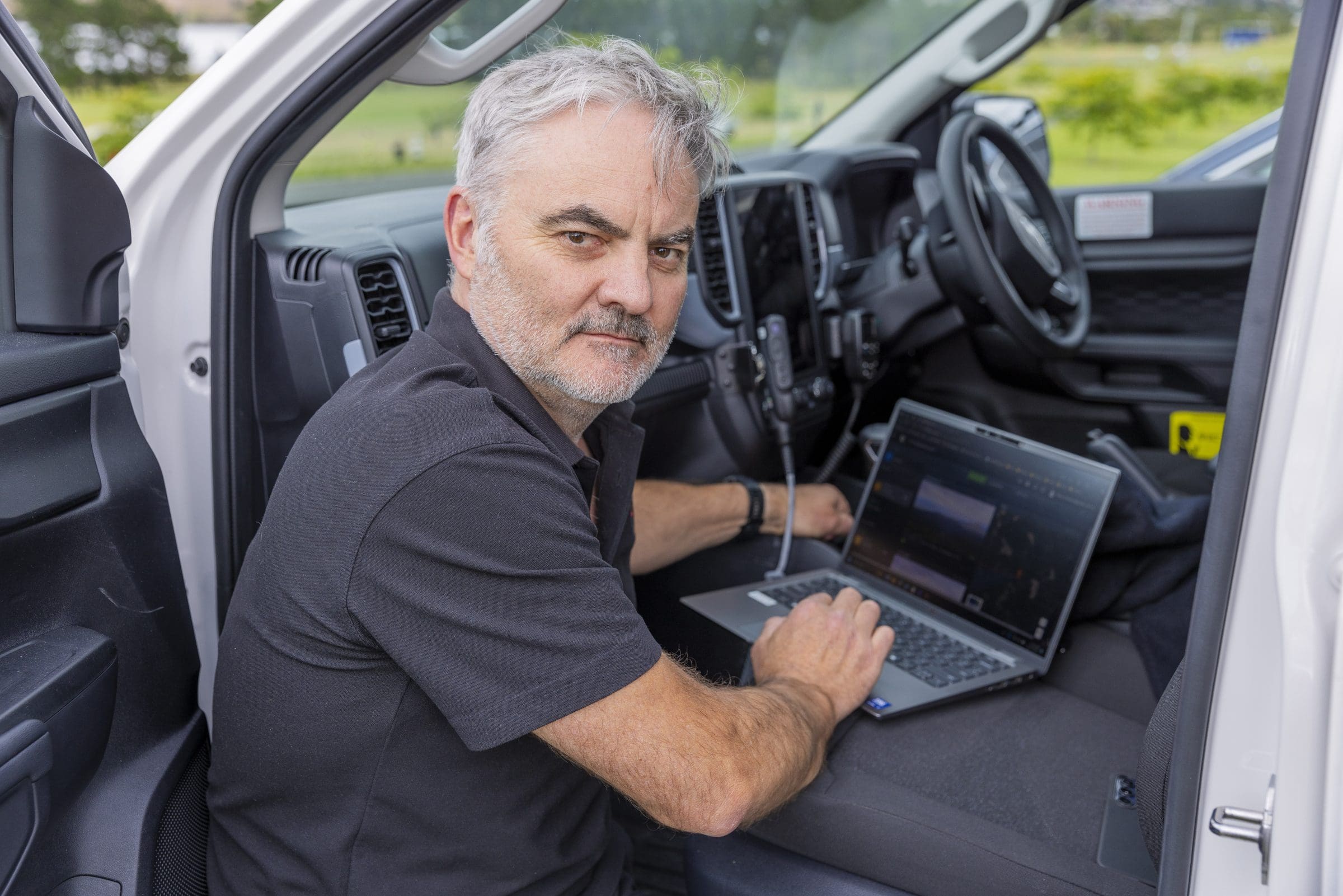
Now, 35 years into his forestry career and Fire Manager for Sustainable Timber Tasmania (STT) since 2013, Sheehan oversees one of Tasmania’s three firefighting agencies.
Tasmanian forests have a close relationship with fire
Fire is an integral part of sustainable forest management in Australia, where our eucalyptus forests have evolved over millions of years to have a close relationship with fire; they are disturbance-driven ecosystems.
Regeneration burns help with the regrowth after forests are harvested, in a similar manner to the natural regeneration process that follows a bushfire. Bushfires have been a common occurrence in Tasmania’s landscape for millions of years, and fire has been a land management tool used by Indigenous Tasmanians for thousands of years.
We are mimicking nature,” Sheehan explains. “Eucalypt forests rely on fire to regenerate. If you see an area that’s been burnt by wildfire, you’ll see afterwards that the forest comes back. It regenerates.
After harvesting, STT conducts regeneration burns that do two essential things: reduce the debris left behind and create an ash bed, opening up mineral earth, creating the perfect environment for seeds to flourish.
The timing is critical. STT’s regeneration crews use helicopters to aerial sow seeds, which have been carefully collected by hand. The aim is to resow within the first two weeks after the burn.

“You could have the coupe still smoking and the helicopters out there spreading seed within days,” says Sheehan. They’re aiming for when it’s at its most receptive, ahead of the first heavy rain to wash the seeds in and get good germination.
Without fire, the outcome would be very different. Firstly, there would be debris left behind, creating an uncontrolled fire hazard, and also not leaving a clear area for seeds to find the seedbed. Secondly, smaller species, scrub and grasses would be the first to come back, blocking the sunlight for the eucalyptus seeds, which would change the balance and the type of forest that would return.

“You would get a patchwork of a different forest type out there. It could be the return of aggressive minor species that take over and block out the others. So you might catch your leatherwood, your blackwoods, your myrtles and eucalypts all suppressed because some sort of mid-story species would take over and blanket them out. So it could greatly change a forest if it wasn’t done properly.”
The Patience of Forestry
When someone sees an image of a freshly harvested and burned coupe, it doesn’t look great. Sheehan is honest about that. “Let’s be honest. They don’t look the best once we finish harvesting. There’s no doubt about that.”
But here’s the crucial point:
It’s all about patience, isn’t it? Forestry is patience. These native forests that we are sustainably managing and regenerating, that’s a hundred-year-plus operation. We’re just not walking away from it tomorrow… Give it time because it will restore itself.
The Long Game: Planning a Regeneration Burn
What might surprise people unfamiliar with modern forestry is just how much planning goes into a single burn. “We can start planning 12 months out, and we don’t always successfully light it on the first attempt,” Sheehan says. “We’ve got to have things right.”
After harvesting, the team turns up to do a site assessment. They’re already aware of the special values identified on site to be protected. They look at how they’ll light the fire, because how they light it determines how they can move the fire around. They might have to protect certain boundaries and stop the fire from entering other areas.
Come Autumn, the team might turn up to a site four or five times, and the conditions still aren’t right. “We are aiming to burn when the coupe is dry enough to burn, but the surrounding bush is too wet or damp to burn,” Sheehan explains. They measure fuel dryness both inside and outside the burn area to get that differential and understand when they can proceed. “But we won’t light anything unless those conditions are right.”
And then you go back a few months later, and there are trees there. Especially after a year or so, then you really start to see that regeneration. It’s pretty cool.

A Fighting Force for Tasmania
What many people don’t realise is that as Tasmania’s public forest manager, STT isn’t just managing forests for timber production. Wildfire preparedness and response are a huge part of what they do.
“This is something we really pride ourselves on,” Sheehan says. Of their 165 staff, up to 120 are trained as firefighters. They don’t all necessarily go out on the fire ground, but they’re trained. Those in office jobs provide support in incident management teams for managing a fire or a planned burn. “Around 75% of our staff are in some way involved with fire.”
STT works alongside the Tasmania Fire Service and the Parks and Wildlife Service under an inter-agency bushfire management protocol. The guiding principle is straightforward: regardless of the land tenure, the agency in the best position to respond to a fire will respond.
So we go to any fire,” Sheehan says. “We don’t worry about boundaries. The main thing is we need to get to that fire and get it out. We know the land, we know our bush, we know how it works. We know fire,” Sheehan says. “It’s a specialty for us, bushfire fighting, forest fire fighting.

Fuel Reduction Burns: Making firefighting more manageable
Beyond regeneration burns, STT conducts fuel reduction burns in strategic locations. These are the areas they can burn at lower intensity, removing leaf litter or heath vegetation.
“When there’s a bushfire, it’ll slow [the fire] right down because the amount [of fuel] isn’t there,” Sheehan explains. “That might mean firefighters can get into those areas, or it could be an area they can prepare to step back into, keep themselves safe, or do another back burn to further strengthen boundaries.”
Protecting Wildlife and Managing Smoke
Wildlife habitat is carefully considered. Under Tasmania’s forest practices system, STT has access to specialist data around different animal types, their habitats and movements. “That provides us with advice as to what we should do,” Sheehan says. “And that might mean that we direct the fire away from a certain area, minimise the intensity, so it’s a cooler burn around that area, build a barricade around it, or completely remove fire from that area.”
Native animals have adapted to fire in Australia. “They’ve learned to live through bushfire”, he notes.
With regeneration burns, the lighting technique itself helps. “How we light regeneration burns is all based around convection. We want to maintain that fire within that boundary,” Sheehan explains. They light it so the fire draws inwards and gets the smoke to height. “The hotter the fire, the higher the smoke will go.”
They establish convection in the centre of an area, stand back, and once that’s really developed, continue lighting outwards towards the boundary. “That fire keeps sucking into that central area that’s really building up intensity and drawing all the oxygen in around it. So that gives time for animals to move.”
Smoke management is also taken seriously. STT uses the Coordinated Smoke Management System, which determines how much smoke they can put into a landscape on any given day based on atmospheric conditions. They look at all the Environmental Protection Authority air quality monitoring stations. If they’re at a level that’s too high, if there’s already smoke in the landscape, STT won’t contribute any more.
On the day of burning, they send out media information about where they plan to burn and where they expect the smoke to go. Later in the afternoon, they give an update on what they’ve completed and where the smoke’s going.
There’s an adrenaline rush of planned burning because you’re creating something so large, so powerful. But you’re managing it, you know, you’re making it do what you want, keeping it where you want it,” Sheehan says.
Innovation and Detection
Technology is changing fire management rapidly. STT has just received $1.4 million in funding to lead a project expanding its current camera network from 11 to over 35. “They’re scanning the landscape 24/7, detecting fires.”
Sheehan thinks back to that fire he saw as a kid on the farm. He and his dad were out in the bush and found a tree on fire at the start of it, looking back now, he imagines it would’ve been a lightning strike. “But that was the early eighties, so there were no mobile phones, so we had to drive back to the farm, call the vollies [volunteer fire fighters] and wait on the side of the road to direct where to go.”
That fire took off and burned for about a week.
But now we would have detected that as soon as that smoke pops up out of the bush, these cameras are picking that up. We are responding with crews and helicopters within minutes. So that’s how much detection’s developed.

The cameras provide situational awareness too. “We can watch a fire and we can see the wind shifts on it. We can see when we need to get more crews ready.”
The frequency and intensity of fires is changing too. “The last 10 to 15 years, we’re getting these frequent events or large-scale fires,” Sheehan says. “We are getting, over time, every three or so years, we’re getting these large-scale events over long periods. They’re becoming more frequent.”
World-Class Standards
When Sheehan looks at the work his team does, there’s genuine pride.
We’ve got a responsibility to look after these areas. We take that seriously. We’ve got high standards, world-class standards. We’re out there doing what we do and we’ve got some people who are really passionate about what they’re doing and do a bloody good job. So yeah, it’s pretty cool. It’s something we’re doing for the future and something that’s worthwhile doing.
For architects and timber specifiers, this is the assurance behind Tasmanian timber. It comes from forests managed by people who understand the land deeply, who know fire as both a tool and a threat, who plan years ahead and respond within minutes, and who are committed to doing the work properly for the long term.
Managing these forests sustainably like we do, returning them to what they can be: a young, fresh, vibrant forest that has the best start in life after a really good burn.
To hear the full interview with Dean listen to his episode on the Original Thinkers Podcast.
Further reading: David White ‘Forestry is not rocket science, it’s ten times more complicated.‘